You probably put Thailand on your bucket list after the last season of The White Lotus, but you might want to reconsider once you discover what its neighbor Vietnam has to offer. This Vietnam travel guide highlights some of the most beautiful places to visit across the country, from historic Hanoi to the lantern-lit streets of Hoi An and the lush Mekong Delta.
From pristine beaches paired with stunning cliffs to serene temples situated in cities that truly never sleep, it’s a great — and shockingly affordable — way to experience southeast Asian culture. Plus the food is like nothing in this world.
The country has three distinct regions: capital Hanoi and the highlands in the north, the historic kingdoms in the center, and the lush Mekong delta and Ho Chi Minh City (formerly Saigon) in the south.
YES! I LOOK FORWARD TO #GROWINGYOUNGER
PLEASE SUBSCRIBE ME TO YOUR MAILING LIST.
Hanoi: Elegant, Historic, and Delicious
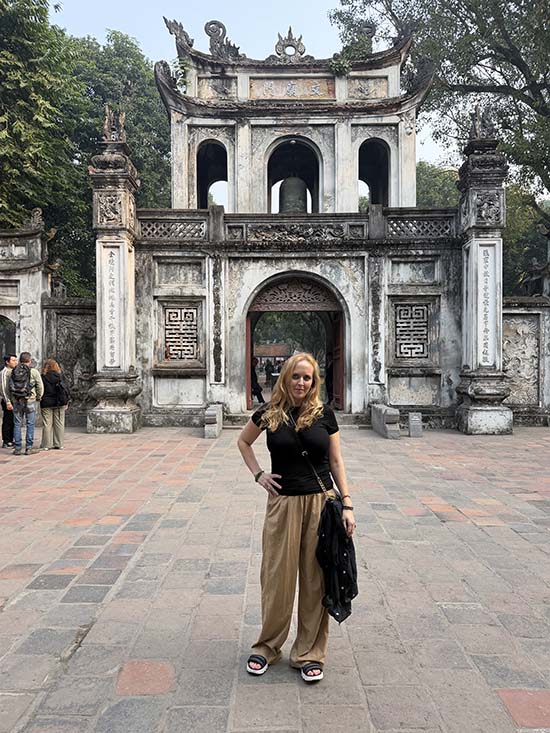
One moment you’re standing in front of centuries-old temples and the next you’re dodging motorbikes while someone hands you the best thing you’ve eaten all week from a tiny street stall or a little coffee bar—that’s Hanoi, and it’s easy to see why it’s so many traveler’s favorite. We visited Ho Chi Minh’s residence, Tran Quoc Pagoda, Taoist temples, and the Temple of Literature before wandering into the Old Quarter’s maze of artisan streets.
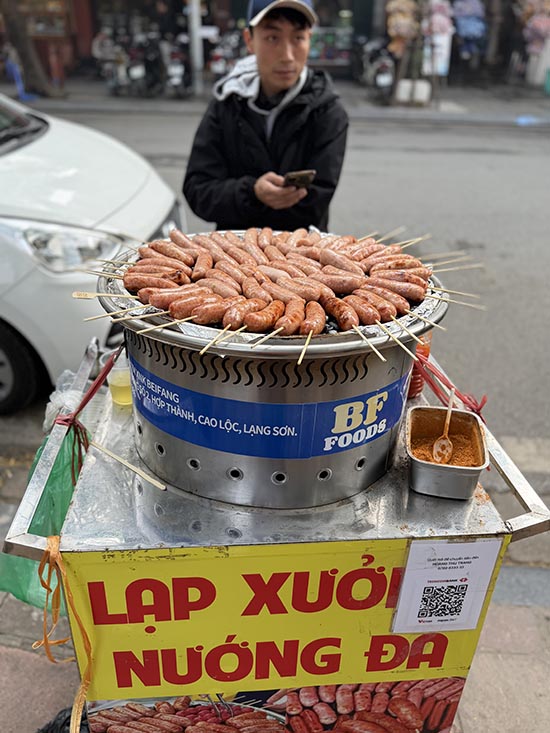
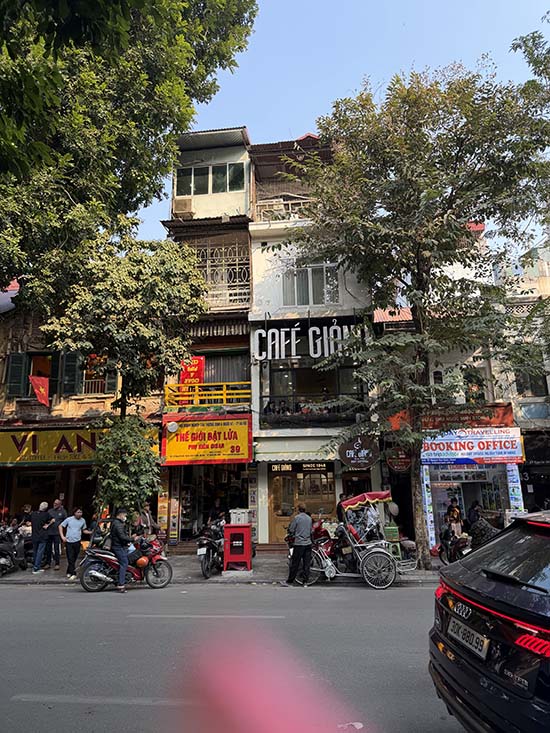
If you’re a little adventurous, get on a scooter to experience the city from a local’s perspective! You can book food tours that include a Vespa + driver, or just use Grab (their rideshare and food delivery app, essentially the same as Uber) to get a scooter ride.
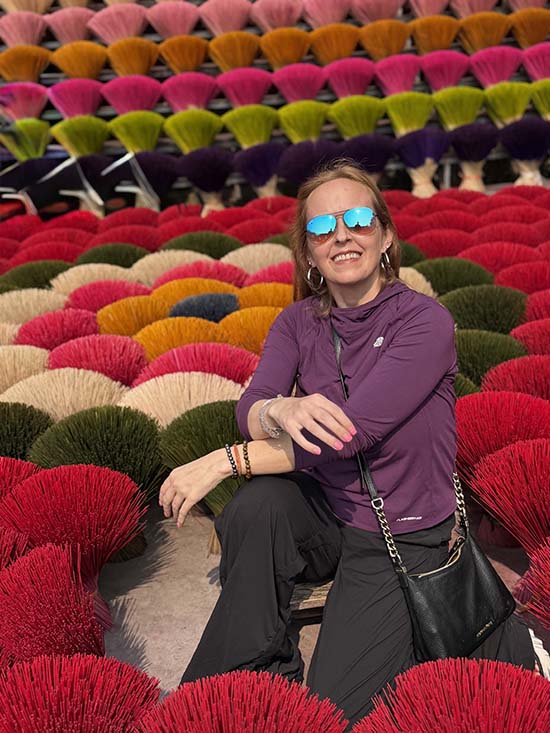
The following day took us outside the city to traditional villages, including Quang Phu Cau, where brilliant red incense dried in geometric patterns across courtyards. Lunch in Uoc Le village with local hosts felt less like tourism and more like being welcomed into someone’s home.
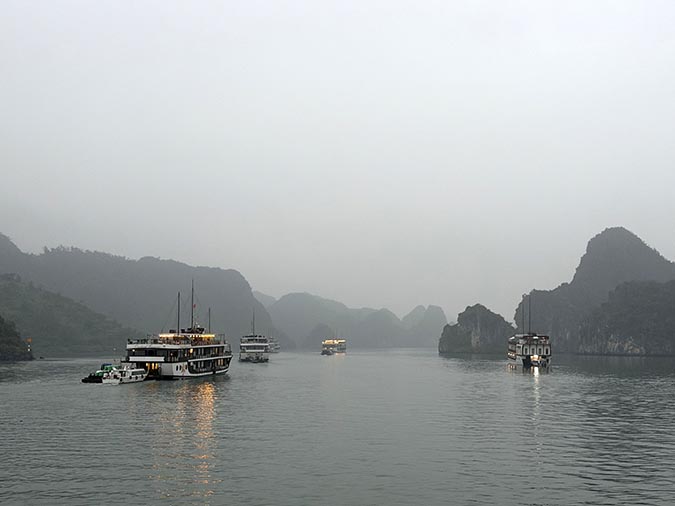
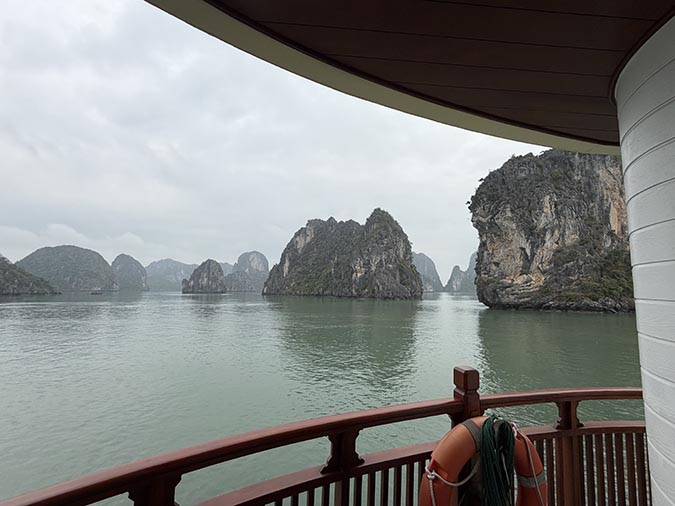
Ha Long and Lan Ha Bay: Otherworldly Landscapes
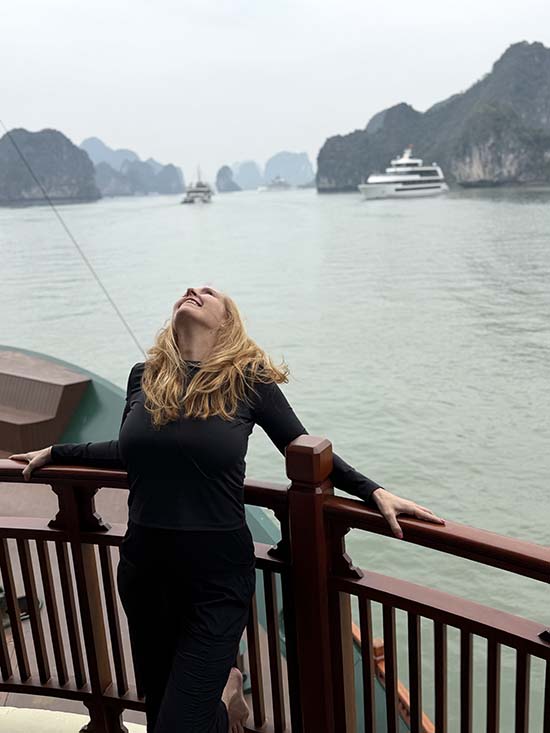
Kayaking through limestone formations, doing tai chi and yoga on the deck of a boat, and swimming in impossibly emerald green water is what you do on the coast. Stop by a floating fishing village and trek through Cat Ba National Park, surrounded by dense jungle and quiet. If you’re lucky, you’ll see langurs!
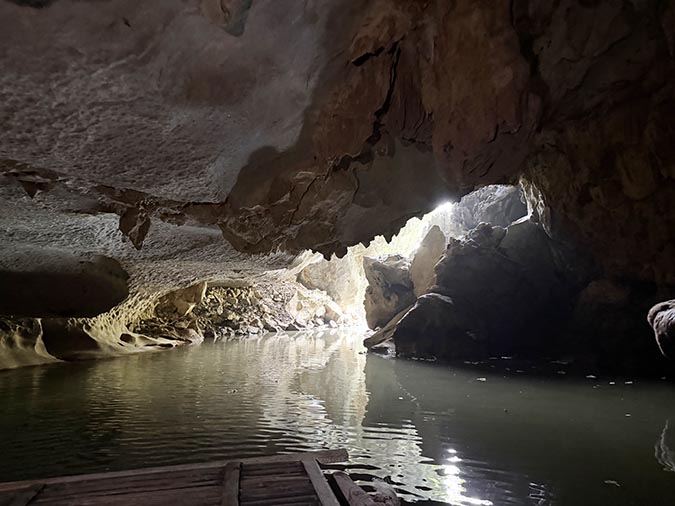
Ninh Binh: The Cinematic North
The nearby landscapes of Ninh Binh are just as magical as the bays and hidden coves that dot the coastline. Limestone peaks rise dramatically from rice fields and rivers, creating landscapes that look almost unreal. Check out the ancient capital of Hoa Lu, climb all 500 steps of Hang Mua (a workout with a spectacular payoff), and visit Bich Dong Pagoda tucked into the mountainside.
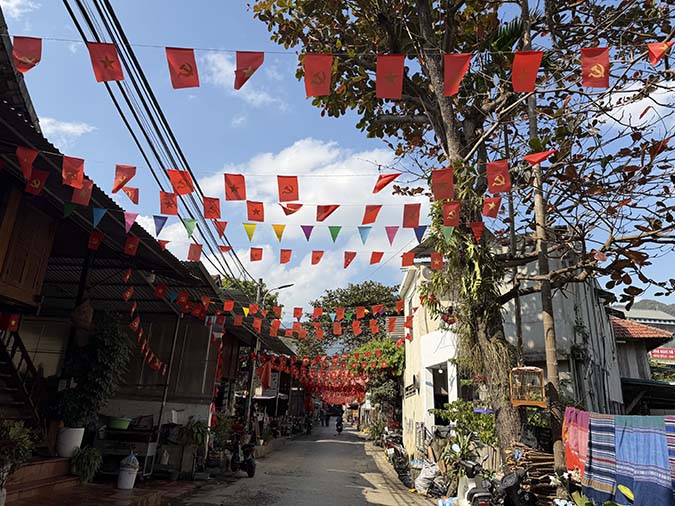
Mai Chau: Muong and Hmong Village Life
Mai Chau is a tiny but truly special place. A small village surrounded by mountains and rice terraces, and everything about it encourages you to slow down and have a cup of coffee or tea—and the local folks were incredibly warm and welcoming!! Visit Muong and Hmong villages, walk through rice fields, explore traditional stilt houses, and share meals prepared by local families. It’s the kind of place where travel goes from capturing the sights to making a connection.
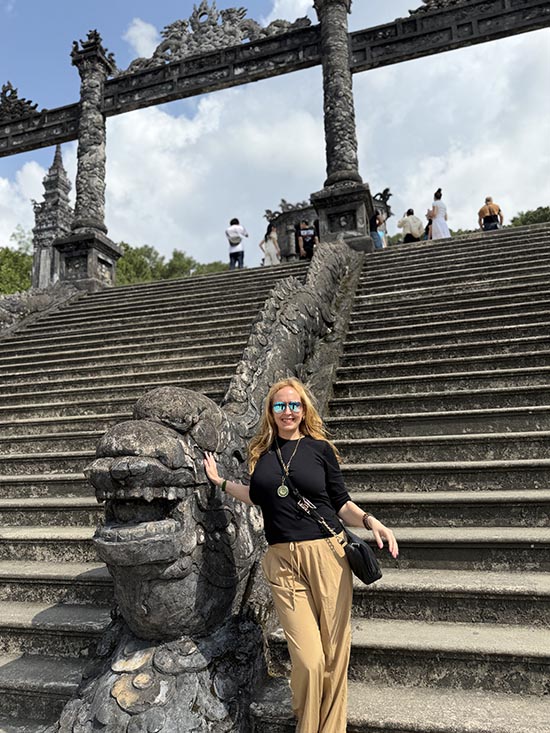
Hue: Vietnam’s Imperial Soul
Hue just feels poetic. You’ll see impossibly intricate imperial palaces, sure, but the entire city is built on the spirit of the classical musicians, artists, writers, and chefs who surrounded the emperors back in the day. Spend an evening listening to live music along the Perfume River and explore the imperial tombs, the historic citadel, museums, and coastal scenery.
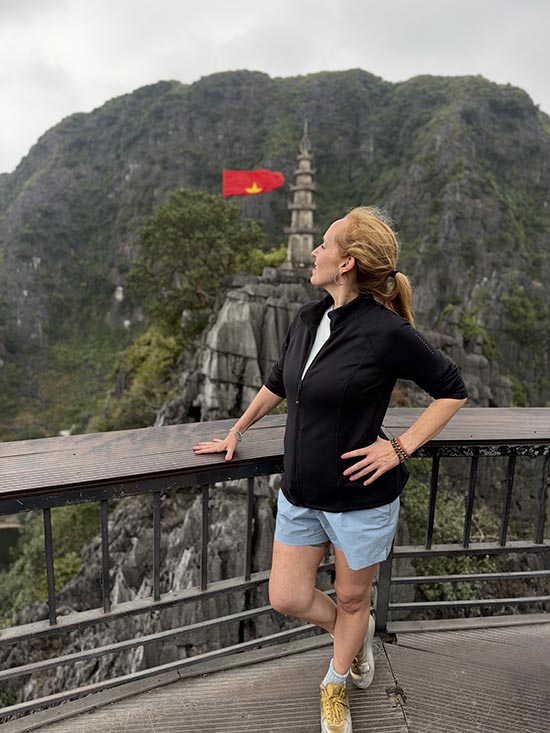
Hoi An and Da Nang: Traditional and Modernity in Parallel
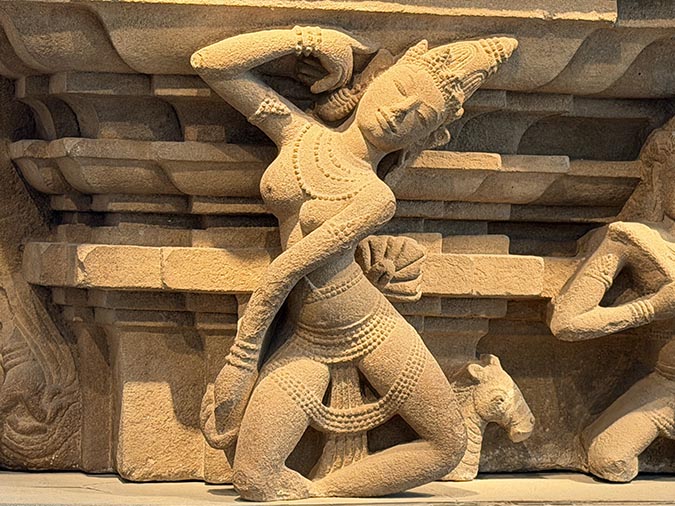
South of Hue, you can visit Da Nang (don’t skip Marble Mountain and the Cham Museum,) and the instantly charming and impossibly photogenic town of Hoi An.
You can explore the city with a walking tour and see the ancient covered bridges, historic assembly halls, and hidden corners of the old town, but Hoi An is best experienced without an agenda.
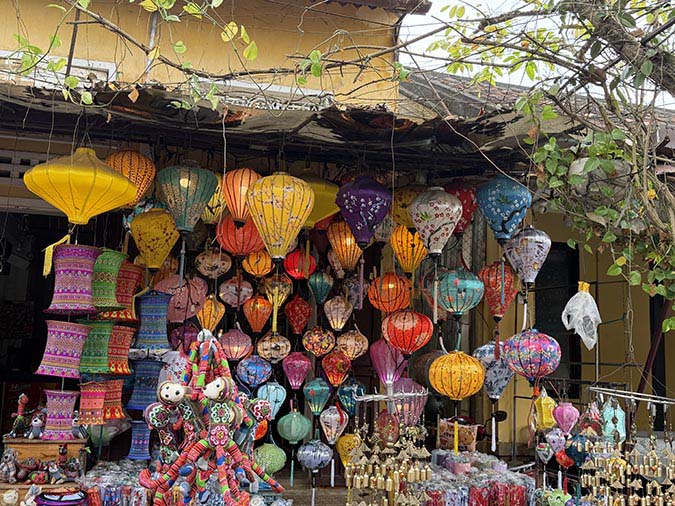
If you’re at all interested in photography, get a private photo guide to help you capture the silk lantern-lit streets and sunset boat rides. And of course, don’t forget the shopping—Hoi An where you can get custom made silk, linen, and cashmere pieces tailored to fit you perfectly, and the shops can truly make anything you can dream up.
Custom bags, shoes, belts, and leather goods are easy to find as well, along with all types of jewelry (including fine jade, star sapphires and rubies, and pearls).
Quy Nhon: A Coastal Reset
The Vietage train journey to Quy Nhon takes you back to the days of the Orient Express; it’s luxurious and incredibly scenic — slow travel at its finest.
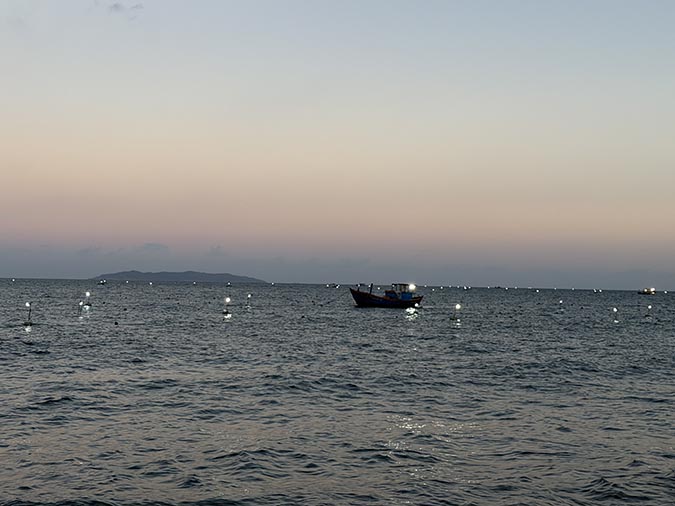
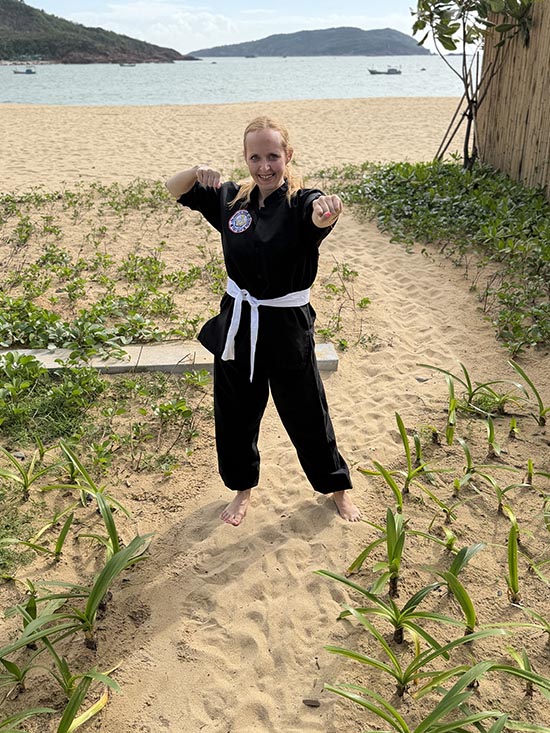
You can take it from Da Nang to Quy Nhon or vice versa. In Quy Nhon, you can snorkel, SCUBA, or just enjoy the beautiful coast dotted with fishing that is lit up like little stars at night.
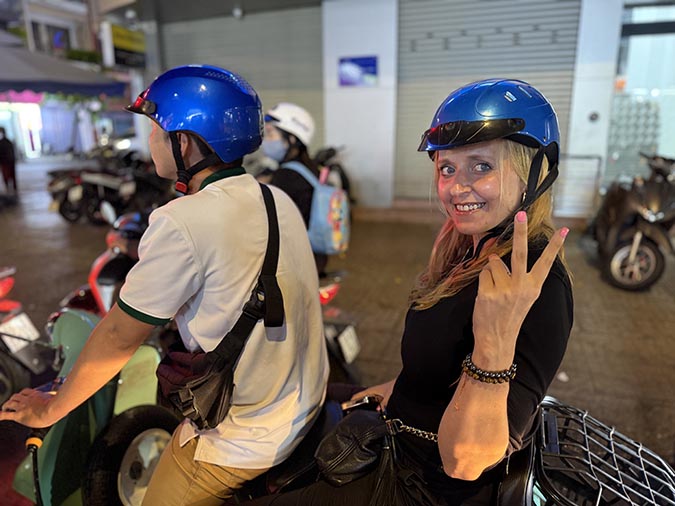
Ho Chi Minh City: Indochine Elegance Mixes with Future-Forward Thinking
Ho Chi Minh City (formerly Saigon) reintroduced energy in full force. It’s another great food city that’s best explored on foot and on scooters.
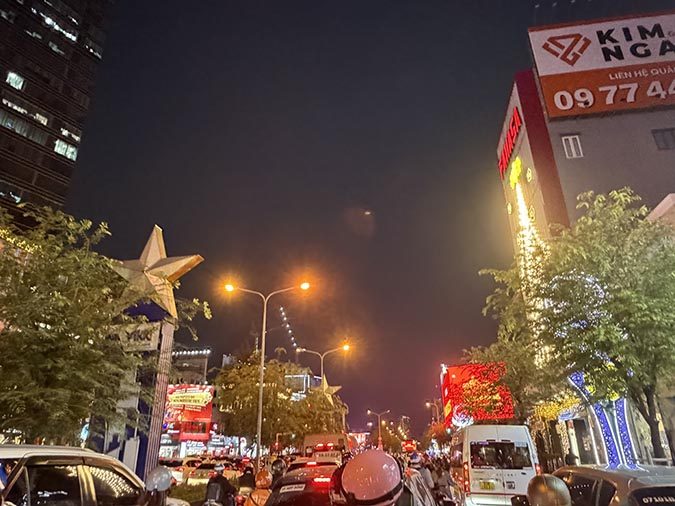
Walk through the night markets (which are loud, fast, and delicious) and lean into how the city feels modern, ambitious, and constantly in motion.
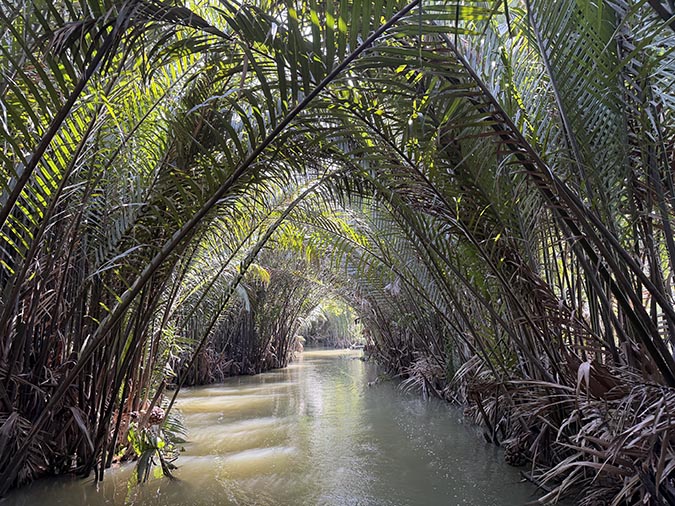
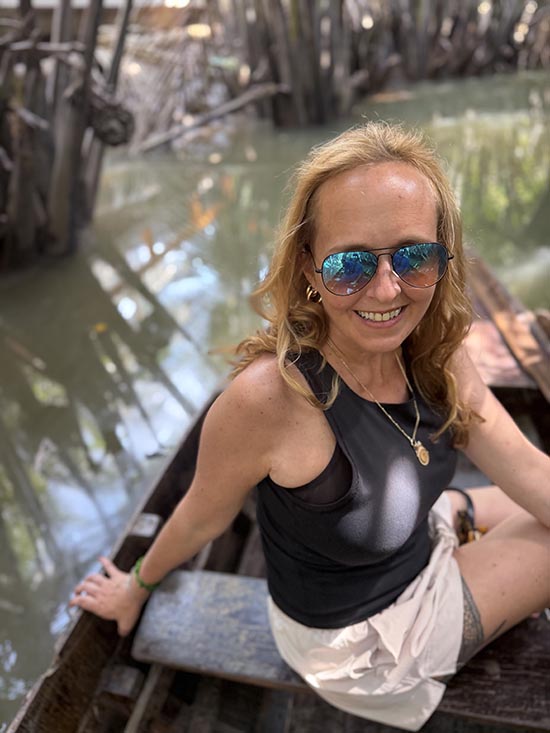
We explored historic landmarks and temples, wandered antique streets, and took in sweeping skyline views. Our final excursion into the Mekong Delta revealed a softer side again — fruit farms, waterways, and rural life unfolding at a gentle pace.

Where to Stay
There’s no shortage of boutique and luxury hotels, and the dollar or euro goes far. The Ancient Hue Garden Houses in Hue were particularly special.
If you want an experience you simply couldn’t have anywhere else—filled with antiques and created in the style that nobles would have enjoyed back in the days of the Nguyen dynasty, you’ll feel like a queen.
Getting Around
Hiring a driver on Grab is pretty affordable and easy. When you’re traveling between cities, flights are much more comfortable and speedier than the overnight buses and trains, but those are safe as well.
That said, although the aforementioned Vietage train is a little slower than most, the grand tour-style experience is worth it!
What to Wear
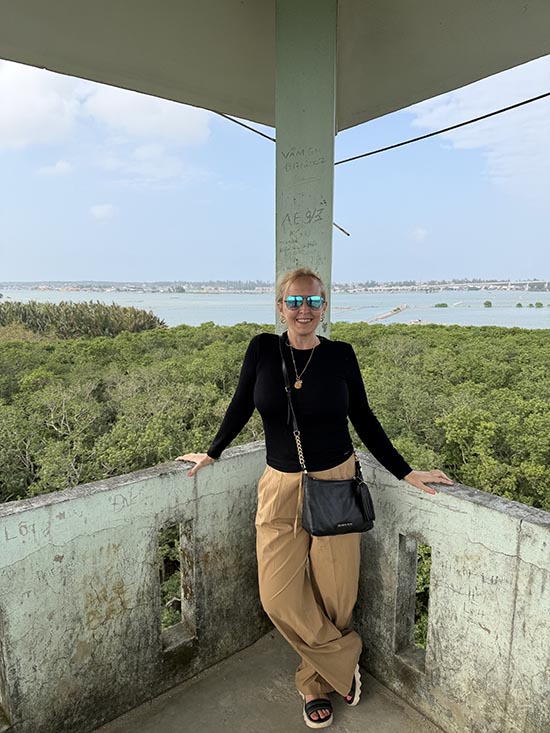
Vietnam is pretty hot and humid all year round; even in the north where they get winter it’s mild compared to what most of us are used to in more northern climates.
Be prepared for sudden but quick rain showers though! And if you visit any temples you’ll need to have your knees and shoulders covered.
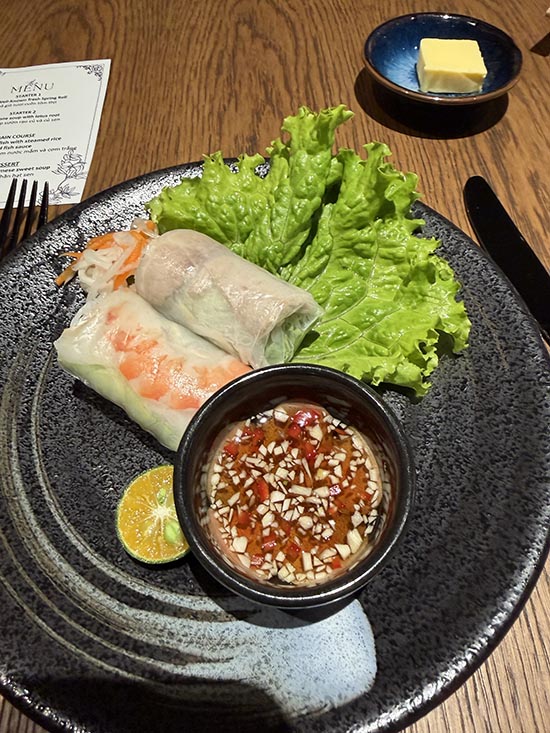
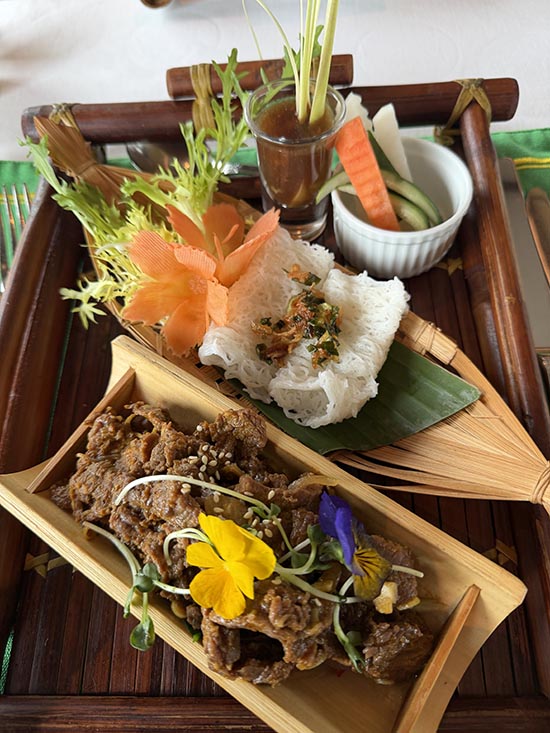
What to Eat
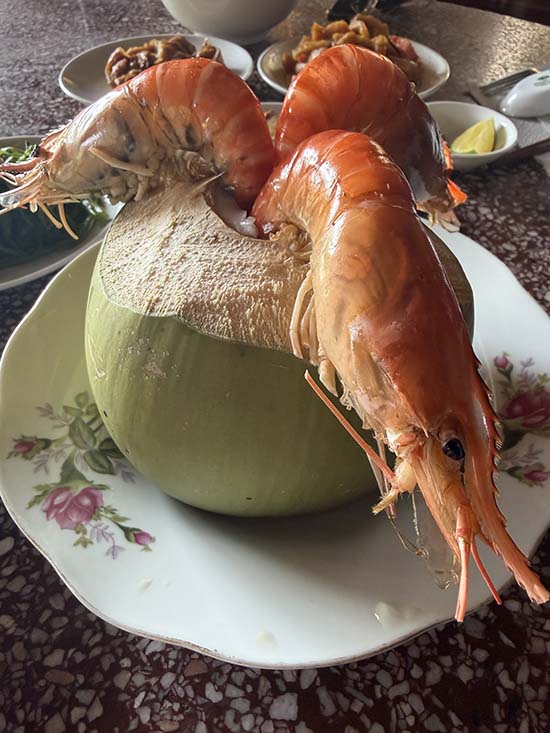
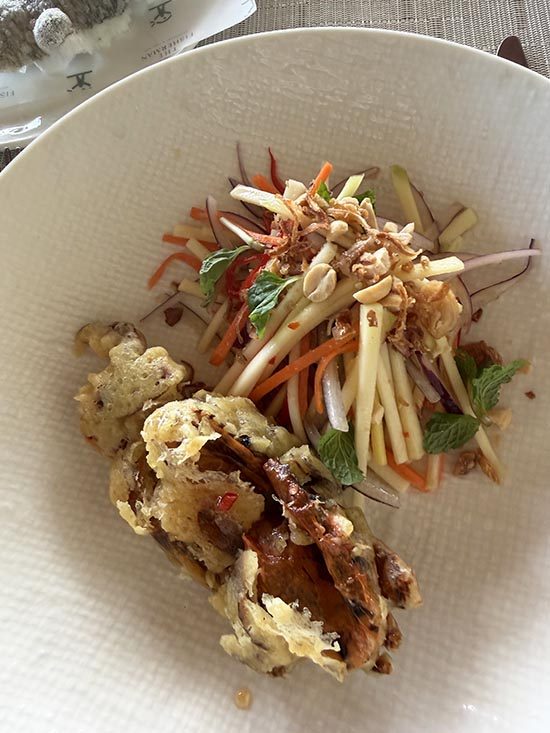
Everything! Vietnamese food is spectacular. Bright and flavorful with tons of fresh herbs on the side of seemingly every dish, it’s a paradise for foodie types.
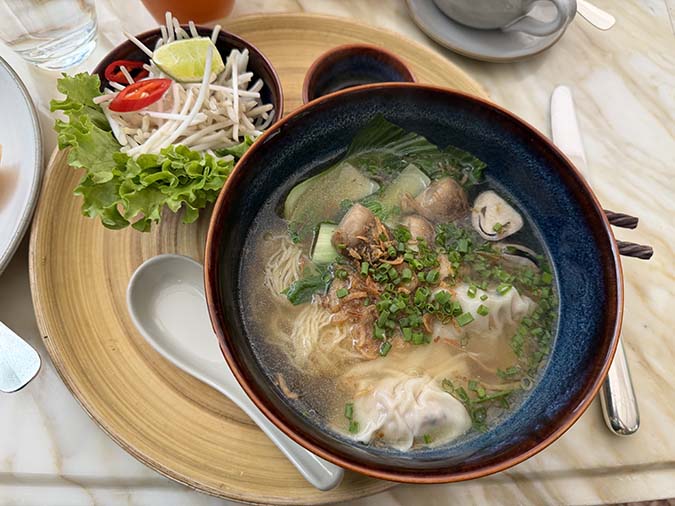
Plus it’s super easy for vegetarians or even vegans to find something tasty, since there’s many options for Buddhist vegan or “chay” cuisine.
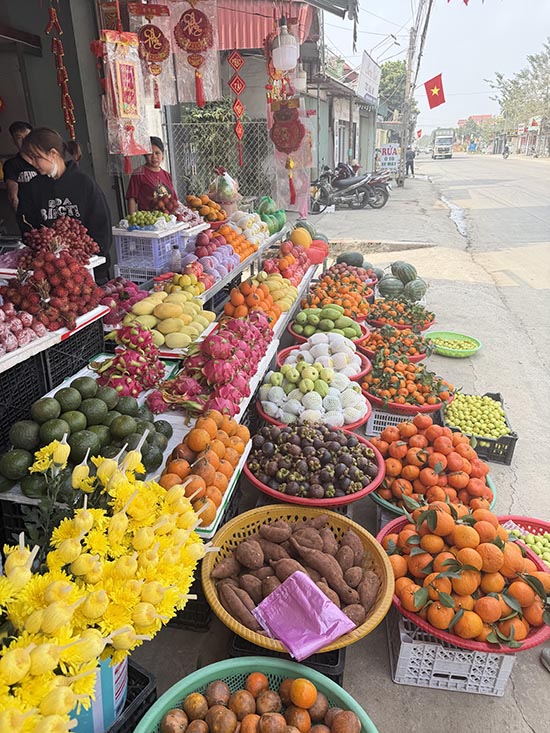
At the end of the journey, what surprised me most about Vietnam wasn’t just its beauty — though it’s extraordinary — or even the food, which is reason enough to visit.
It was how authentic everything felt. Even in touristy destinations, there wasn’t the rush to capture the moment for social media or a hard sell to buy souvenirs. People simply went about their lives and took a few moments to share their country, perspective, and a cup of coffee, tea, or a meal with you.
– Jacqueline Zenn
You may also like to read all of Jacqueline’s travel adventures incuding A Traveler’s Guide to Tokyo: The Perfect Blend of Chaos and Tradition and Travel to Delhi and Agra: Culture, Modern Chaos and Timeless Beauty.
Photos: Jacqueline Zenn for Fountain Of 30
This post contains affiliate links which may give us a commission at no additional cost to you.
Are you following Fountain Of 30 on Facebook, X, Instagram and Pinterest? We’ve got lots going on, so join in on the fun! Subscribe to our newsletter here. You don’t want to miss a post and promise not to bug you to death. Join our Facebook Group called Growing Younger where women discuss everything good and bad about being over 50. Additionally Lauren hosts a bi-weekly podcast called Beauty is a Bitch!
Please pin!